
Managing diabetes—whether Type 1, Type 2, or prediabetes—is a daily challenge that impacts the lives of millions of people worldwide. Modern digital health tools have made it easier to track glucose, manage meals, monitor medication, and log daily vitals, but there’s always room for more customizable, community‑driven solutions.
The Sugarfree Diabetes Management Application Project on GitHub is one such initiative. While the repository currently contains project management and planning documentation, it represents a detailed strategic blueprint for a future application that assists patients, caregivers, and developers in building a tailored diabetes management tool.
In this post, we’ll walk through what this project is, why it matters, how to use its resources, and how you can contribute to turning this plan into a living, breathing diabetes management app.
What Is the Sugarfree Diabetes Management Application Project?
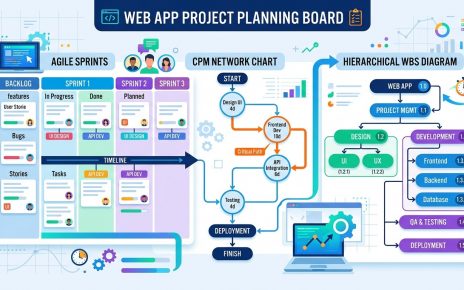
The Sugarfree Diabetes Management Application Project is a public GitHub repository designed as a comprehensive project plan for building a diabetes management application. The repo currently contains a series of Excel spreadsheets and Word documents that represent:
- Project scope and requirements
- User stories and wireframes
- Workflow diagrams and risk assessments
- Feature lists such as health metrics tracking and alerts
- Quality assurance plans
- Baseline schedules and stakeholder analyses
Although there isn’t source code yet, the groundwork captured in the repository is invaluable for developers and project managers looking to build a structured health tech application from the ground up.
Why This Matters
Diabetes management is more than tracking blood sugar—it’s about understanding patterns, integrating lifestyle data, and empowering users to make healthier choices. Open‑source initiatives help lower barriers to innovation by letting:
- Developers collaborate on code and features
- Users customize applications for specific needs
- Researchers analyze and extend technology
- Health advocates share improvements freely
Even world‑renowned projects such as Nightscout (CGM data access) show how meaningful patient‑driven open‑source solutions can be in real life.
What You’ll Find in the Repo
At the time of writing, the main contents of the repo include:
- A large set of project management documents (.xlsx and .docx) covering everything from cost management to quality assurance
- User stories and wireframes designed to outline core features
- Gantt charts and risk registers to guide a multi‑phase development process
There are not yet application source files (e.g., front end code, back end services). However, the structure enables planning for a fully fleshed diabetes management system.
If you want to use the repo for your own project, the first step is to understand what each planning artifact represents and translate that into actionable development stages.
Step‑by‑Step: How to Use This Project
Here’s how you can get started with the Sugarfree Diabetes Management Application Project, even though there isn’t code yet:
1. Clone the Repository
Start by cloning the repo so you have a local copy of all the planning docs:
git clone https://github.com/sf-co/2-pm-sugarfree-diabetes-management-application-project.git
Once cloned, explore the folders to understand how the project is conceptualized.
2. Review Project Documents
The repository includes items like:
- Business Case – Why build the app and for whom?
- Project Requirements – Functional and non‑functional requirements
- Wireframes & User Stories – Visual structure and use cases
- Risk Register – What could go wrong and mitigation strategies
Spend time reading through each document to grasp:
✔ Key user needs
✔ Potential features
✔ Expected deliverables
✔ Project constraints
This gives every developer the context they need before writing any code.
3. Define the Tech Stack
Based on documented user stories and features, decide on an application stack. A typical stack for this type of app might include:
- Front end: React, Flutter, or Angular
- Back end: Node.js, Python (Flask or Django), or .NET
- Database: PostgreSQL or MongoDB
- APIs: Integrate glucose data import/export
Use the requirements docs to align your stack decisions with what the users and stakeholders want.
4. Convert Planning into Code Structure
With a solid plan in place, start a new project with a repository that includes:
/frontend
/backend
/docs
/tests
Reference user stories to map features like:
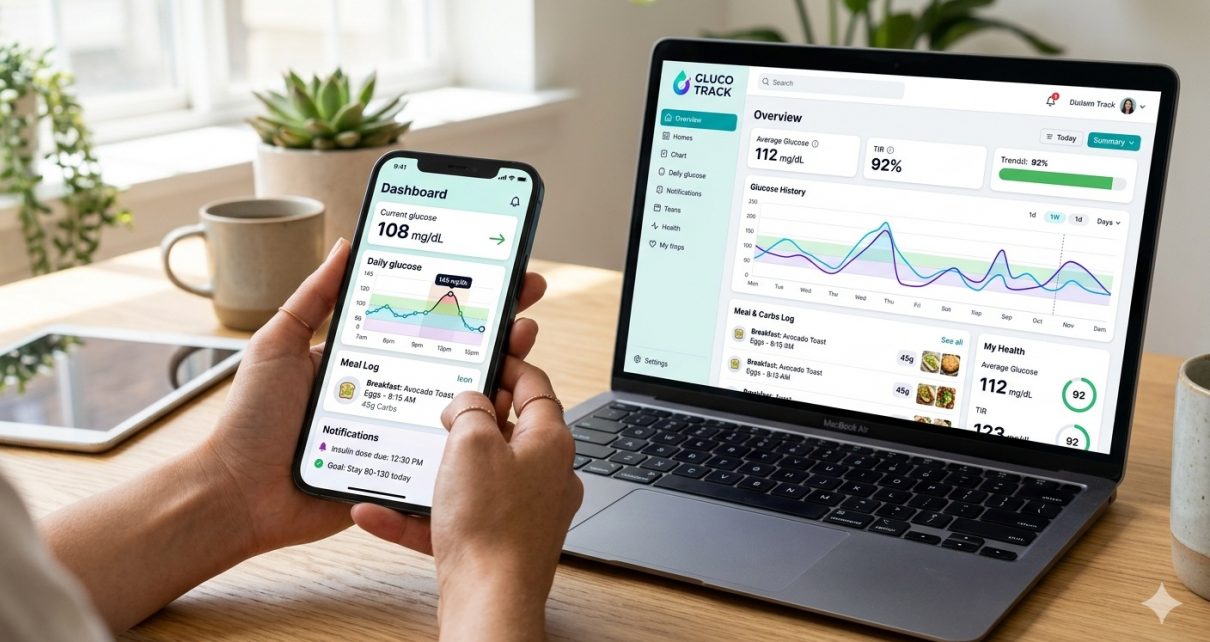
✔ Glucose level logging
✔ Trend visualization
✔ Alerts and reminders
✔ Historical reports
These serve as sprint backlogs when managing agile development.
5. Start Feature Development
Now that planning and project structure are ready, build iteratively:
- Sprint 1 – User authentication and dashboard
- Sprint 2 – Log and view glucose metrics
- Sprint 3 – Generate reports
- Sprint 4 – Data visualization charts
Each sprint should have clear deliverables based on user stories and the project quality plan.
6. Document Your Progress
Update the original planning docs with:
- Technical decisions
- Sprint retrospectives
- Test results
- Updated wireframes
This creates a living project that reflects technical and user progress.
Workflow Integration for Success
Here’s a recommended project workflow for turning this plan into a finished app:
- Requirement Analysis – Translate docs into technical tickets
- Design Sprint – UX/UI design based on wireframes
- Backend Sprint – Database and APIs
- Frontend Sprint – UI development and feature integration
- Testing Sprint – Automated and user testing
- Deployment Sprint – Cloud hosting and monitoring
This structured workflow enables predictable progress and smoother collaboration across teams.
How You Can Help — Or Use This
Even if you’re not planning to code the app yourself, you can:
- Suggest feature improvements
- Submit pull requests with diagrams or mockups
- Start a forked development repo
- Build plugins or integrations for food logs, CGM devices, or AI insights
There’s growing demand for accessible diabetes software, and this project is a great way to get involved early.
Share Your Experience With This Project
If you decide to use or contribute to this project:
- Write about your development process
- Build the first working alpha
- Share feedback with others in the diabetes tech community
Open‑source health tech thrives when patient needs and technical contributions come together.
Conclusion
The Sugarfree Diabetes Management Application Project is more than a brainstorm—it’s a complete roadmap toward a tool that could empower countless individuals in their daily health journey. While the repo doesn’t yet have code, it gives developers and health tech enthusiasts everything they need to start building a meaningful application.
By following the steps in this post, you can move from the planning phase to actual working software. With open‑source collaboration and thoughtful execution, this project can become a real game‑changer in diabetes self‑management.