
Jenkins provides the flexibility to customize its appearance through the utilization of themes. This can be accomplished by installing a plugin dedicated to theme management.
To integrate a theme into Jenkins:
Access the plugins page and input “theme” into the filter box. Select the Simple Theme Plugin and proceed with installation. This plugin empowers users to apply various themes to their Jenkins interface.
Themes can be sourced through simple online searches. Given that Jenkins operates as a web-based application, themes typically consist of a CSS file and, optionally, a JavaScript file.
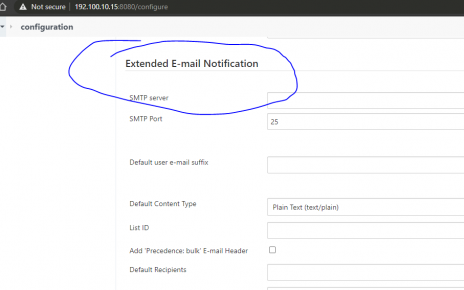
To install a theme, navigate to Configure System and navigate to the Themes section. Input the URLs for both the CSS and JS files corresponding to the desired theme. For instance, in this demonstration, we’ve opted for https://github.com/jenkins-contrib-themes/jenkins-neo-theme by Afonso F.
Click save to implement the changes, and the updated interface of Jenkins will be immediately visible.
Over the past 20+ years, I have been working as a software engineer, architect, and programmer, creating, designing, and programming various applications. My main focus has always been to achieve business goals and transform business ideas into digital reality. I have successfully solved numerous business problems and increased productivity for small businesses as well as enterprise corporations through the solutions that I created.
My strong technical background and ability to work effectively in team environments make me a valuable asset to any organization.
In today’s fast-paced digital world, project management tools are essential for keeping teams organized, tracking progress, and meeting deadlines. While there are plenty of pre-built solutions, building your own project management app can be an exciting way to learn React, improve your coding skills, and create a tool tailored to your unique workflow. One such […]
JavaScript frameworks have become indispensable in modern web development due to their versatility and efficiency. With JavaScript’s ability to integrate seamlessly with any platform, it has emerged as the common language for building web applications. Understanding the top JS frameworks is essential for developers. This article delves into three popular options:
1. NodeJS: Designed for scalable network applications, Node utilizes asynchronous event-driven architecture to handle multiple connections concurrently.
2. Vue: A progressive framework for building single-page user interfaces, Vue offers simplicity, flexibility, and integration capabilities, making it a lightweight alternative to Angular.js.
3. Angular: A powerful open-source framework, Angular provides comprehensive options, including routing, HTTP requests handling, and two-way data binding. With a smoother learning curve and regular updates, Angular continues to evolve with improved performance and features like Build Optimizer and Router Hooks.
Star ratings have evolved into universal symbols for feedback in today’s digital age. They offer a straightforward means of expressing quality and appeal. Implementing star ratings on a website empowers users to engage effectively. The CSS code defines the appearance and behavior of a star rating system. The HTML structure uses radio buttons and labels to create the rating. With JavaScript, you can retrieve the selected star rating value easily. This tutorial guides you through creating a visually appealing and fully functional star rating system, enhancing user engagement and offering valuable insights into your content or products.